
Frequent readers of my blog will know that I've been diving deep into the vibrant world of Korean cuisine, creating my own versions of beloved Korean dishes. Naturally, I had to come up with a kimchi recipe, and I absolutely adore the flavours of fresh kimchi, known as "Geotjeori" (겉절이) in Korea. This quick and easy fresh kimchi skips the fermentation process, offering a delightful crunch and a spicy yet lightly sweet taste.
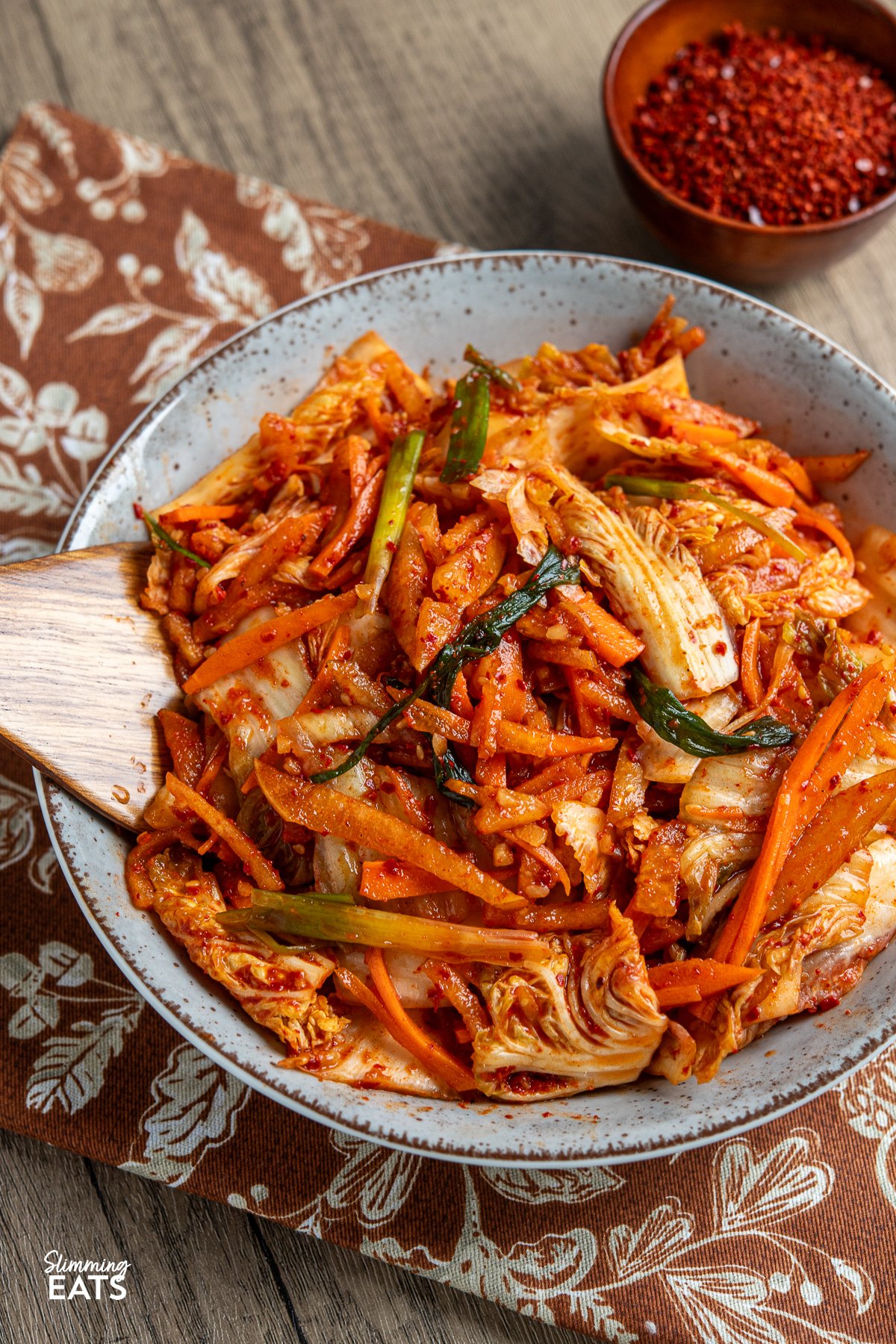
If you're new to Korean food and find traditional fermented kimchi a bit too sour, this fresh kimchi recipe is the perfect introduction. Made with crisp napa cabbage, crunchy carrots, green onions, and sweet Asian pear, it's a refreshing side dish that pairs wonderfully with all your favourite Korean dishes. Whether you're exploring Korean cuisine for the first time or just in need of a speedy side, this fresh kimchi will bring the essence of Korea straight to your plate in no time.
Calories in Kimchi
This fresh kimchi serves 10 and and is 24 calories per serving
If you're looking for more recipes within the same calorie range, you'll find an abundance of options in my dedicated collection of under 100 calorie recipes.
If you're following a calorie-controlled diet or a healthy eating plan, it's important to calculate your daily calorie intake using a reliable calorie calculator. Please note that the calorie counts provided are estimates and can vary based on specific ingredients and serving sizes. Personalizing your calculations is essential to meet your individual needs. By using a calorie calculator, you can make informed choices and stay on track with your dietary goals.
Ingredients Needed
To make this fresh kimchi you will need the following ingredients:
- Napa Cabbage: This tender yet sturdy cabbage is the base of our kimchi. It absorbs flavours beautifully while maintaining a satisfying crunch, making it perfect for fresh kimchi.
- Garlic: Essential for that classic kimchi punch, garlic adds depth and a bit of heat, enhancing the overall flavour profile.
- Fish Sauce: This salty, umami-rich liquid is a key ingredient in Korean cooking. It adds a savoury depth to the kimchi, balancing out the sweetness and spice.
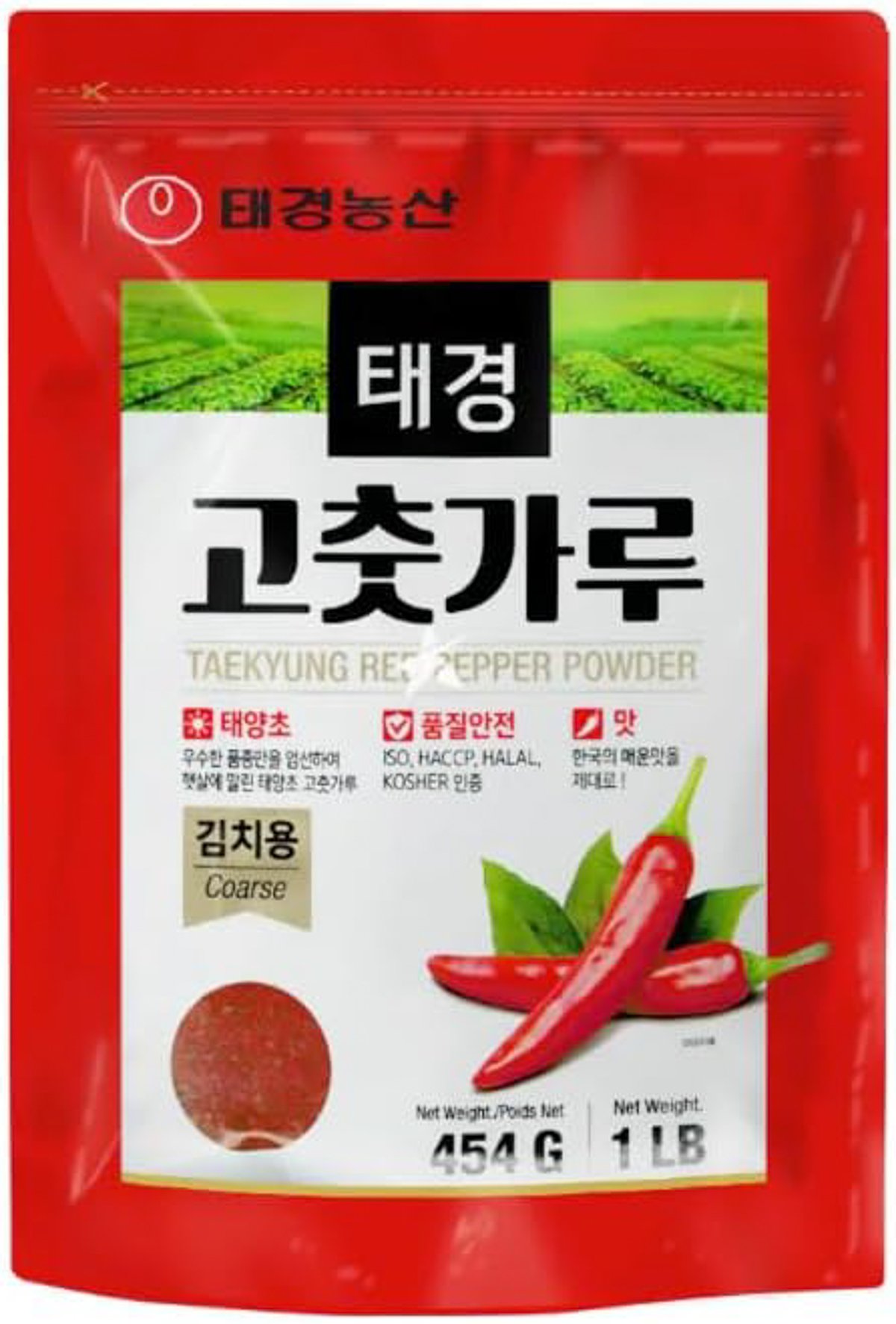
- Gochugaru (Coarse Preferred): These Korean red pepper flakes are mildly spicy and slightly smoky, giving the kimchi its signature heat and vibrant red colour. Coarse gochugaru is preferred for its texture and ability to blend well with the other ingredients.
- Sugar: A touch of sugar balances the spice and saltiness, enhancing the natural sweetness of the cabbage and other vegetables.
- Spring Onions: These add a fresh, slightly sharp flavour that complements the other ingredients perfectly, as well as a bit of crunch.
- Asian Pear (or Similar Pear): This adds a refreshing sweetness and crisp texture to the kimchi, contrasting beautifully with the spice and saltiness. If you can't find Asian pear, a regular pear works just as well.
- Carrot: Adds vibrant colour and a nice crunch, as well as a subtle sweetness that enhances the overall flavour profile of the kimchi.
Once you've gathered all the ingredients and prepared them accordingly, you're all set to create this easy and delightful recipe.
See the recipe card for specific quantities and instructions
Choosing the best cabbage for kimchi
When making kimchi, the best choice is Napa cabbage, known for its tender yet sturdy leaves and excellent flavour absorption. Napa cabbage, also referred to as Chinese Leaf or Chinese Cabbage, is widely used in Korean cuisine due to its unique texture and mild taste, which make it ideal for both fresh and fermented kimchi.
Napa cabbage can be found in most Asian grocery stores, often labelled as Chinese cabbage. However, if Napa cabbage isn't easily available to you, here are some great substitutes you can use:
- Savoy Cabbage: This cabbage has crinkly leaves and a slightly milder flavour compared to Napa cabbage. It's a good alternative due to its texture, which holds up well in kimchi.
- Pointed (Sweetheart) Cabbage: With its tender leaves and sweet flavour, this cabbage can work in a pinch. However, it may not stay as crisp as Napa cabbage.
- Green Cabbage: While this is more commonly used in Western cooking, green cabbage can be used if other options are unavailable. Its firmer texture means it will require more time to soften and absorb flavours.
When substituting, keep in mind that different cabbages may alter the texture and taste slightly, but they can still produce a delicious kimchi.
What is Gochugaru?
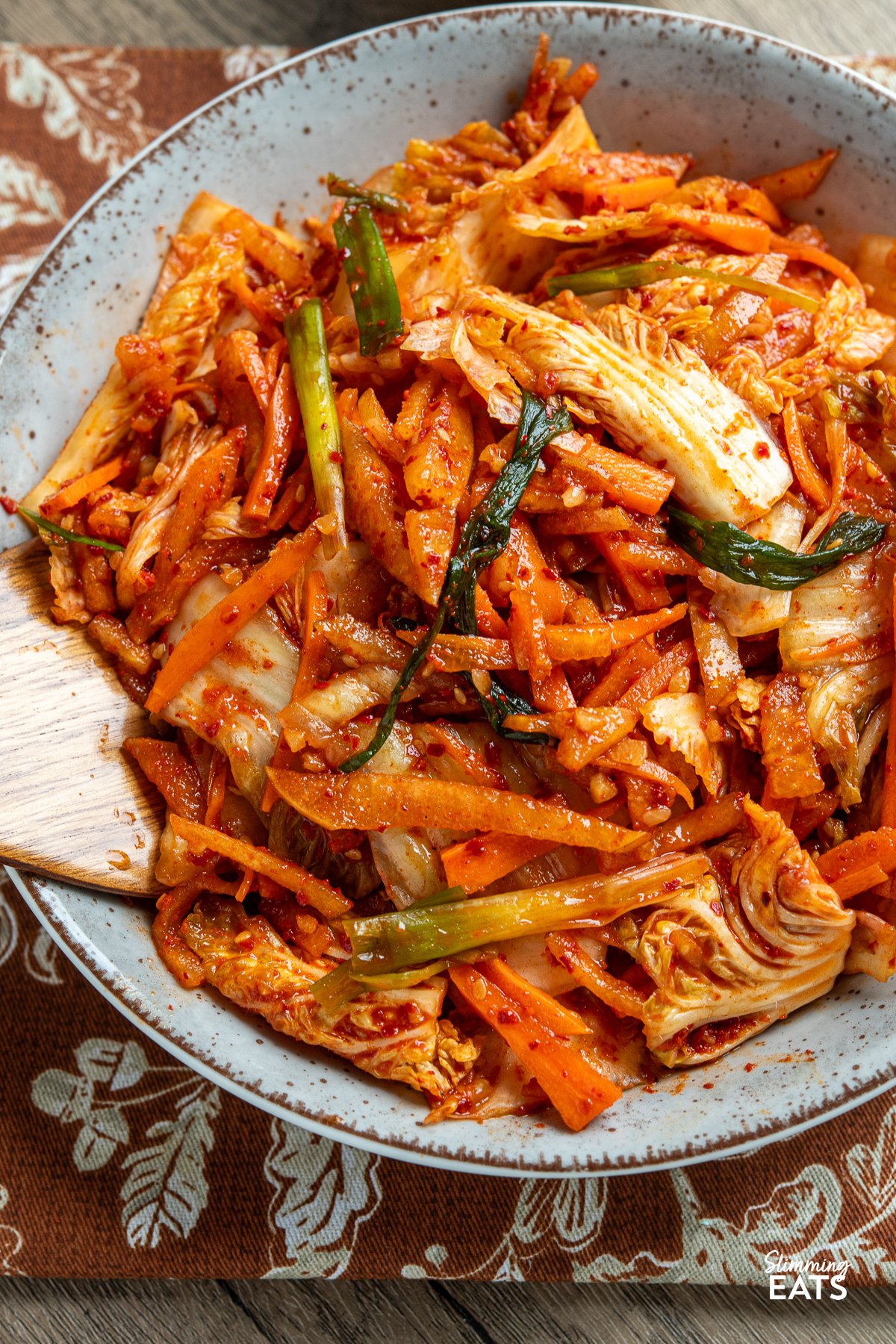
Gochugaru is a type of Korean red pepper flakes that is one of the most important ingredients in kimchi. It provides the signature heat, vibrant red colour, and distinct smoky, slightly sweet flavour that kimchi is known for. There are different varieties of gochugaru, but the coarse variety is preferred for kimchi due to its texture, which blends well with the cabbage and other ingredients, ensuring a more balanced distribution of spice and colour.
The flavour profile of gochugaru is unique-it's mildly spicy with a hint of smokiness and a touch of sweetness. This makes it an indispensable element in many Korean dishes, not just kimchi. It enhances the overall taste, bringing out the best in the fresh vegetables and other seasonings. So with that in mind there isn't really a substitute for this ingredient.
If you can't find gochugaru in your local grocery store, you can easily order it online on Amazon here. Ensuring you have authentic gochugaru will make a significant difference in the flavour and authenticity of your kimchi.
(As an Amazon Associate and member of other affiliate programs, I earn from qualifying purchases)
How to Store Fresh Kimchi
To keep your fresh kimchi at its best, store it in the refrigerator in a lidded container. This will help maintain its crunchy texture and vibrant flavour. Fresh kimchi, unlike its fermented counterpart, is best consumed within a week to ensure it retains its delightful taste and crispness.
Make sure the container is airtight to prevent any strong odours from escaping and to keep the kimchi fresh. As the days go by, the flavours will meld even more, making each bite deliciously seasoned and slightly more intense.
How to enjoy Kimchi
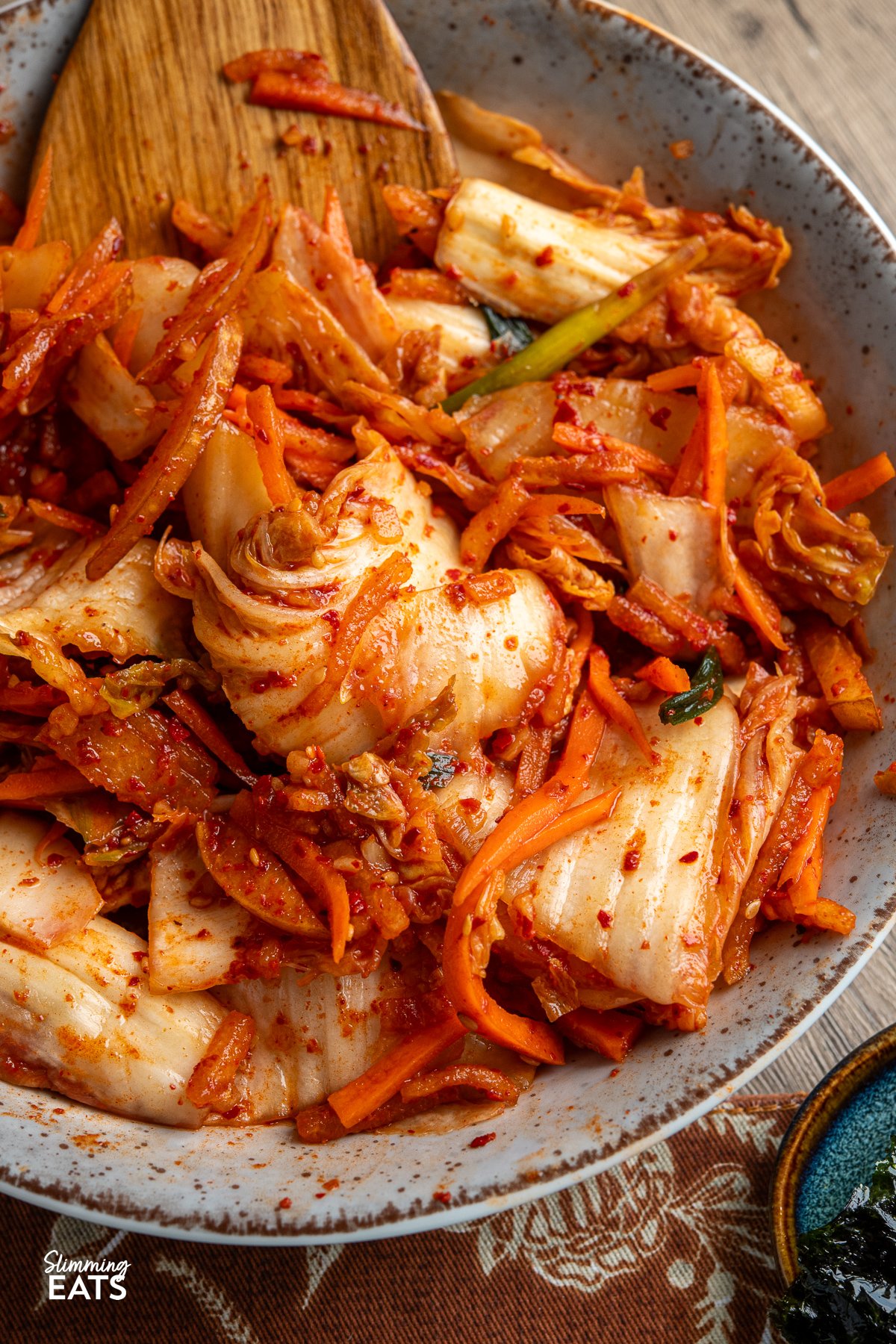
Kimchi is incredibly versatile and can be enjoyed in numerous ways, adding a burst of flavour to a variety of dishes. Here are some delicious ideas to incorporate kimchi into your meals:
- Omelette: Add chopped kimchi to your omelette for a spicy, tangy kick that pairs wonderfully with eggs.
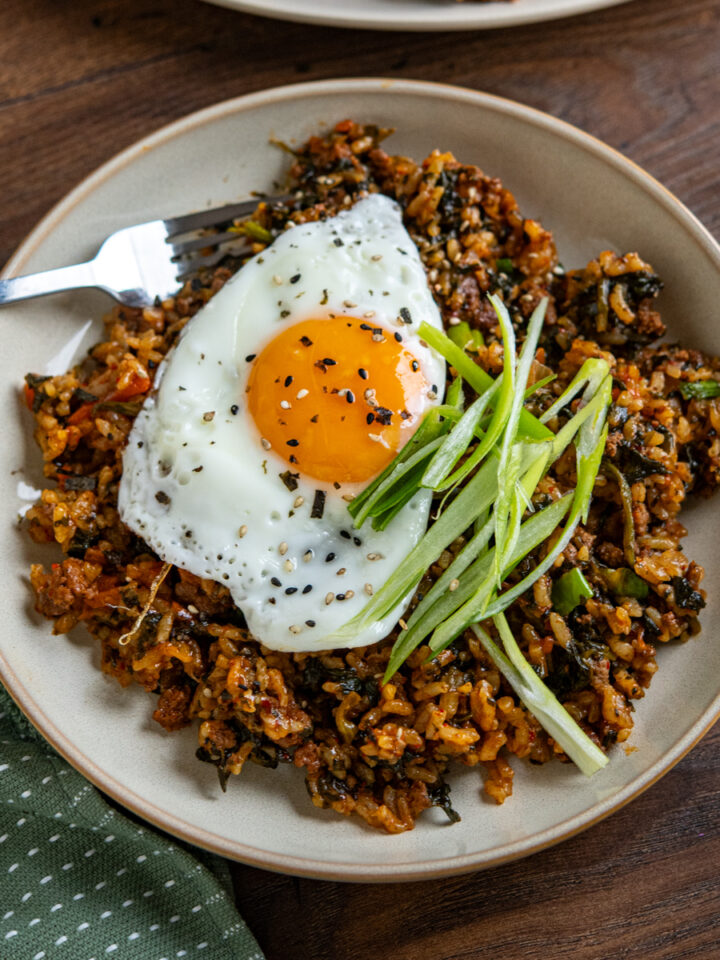
- Egg Fried Rice: Stir kimchi into egg fried rice for an extra layer of flavour and texture. The kimchi's spice complements the savoury rice perfectly.
- Side Dish: Kimchi is a classic side for many Korean dishes. Enjoy it with my Korean ground pork, Slow cooker Korean stew, Gochujang chicken, Beef Bulgogi and many more dishes from the blog.
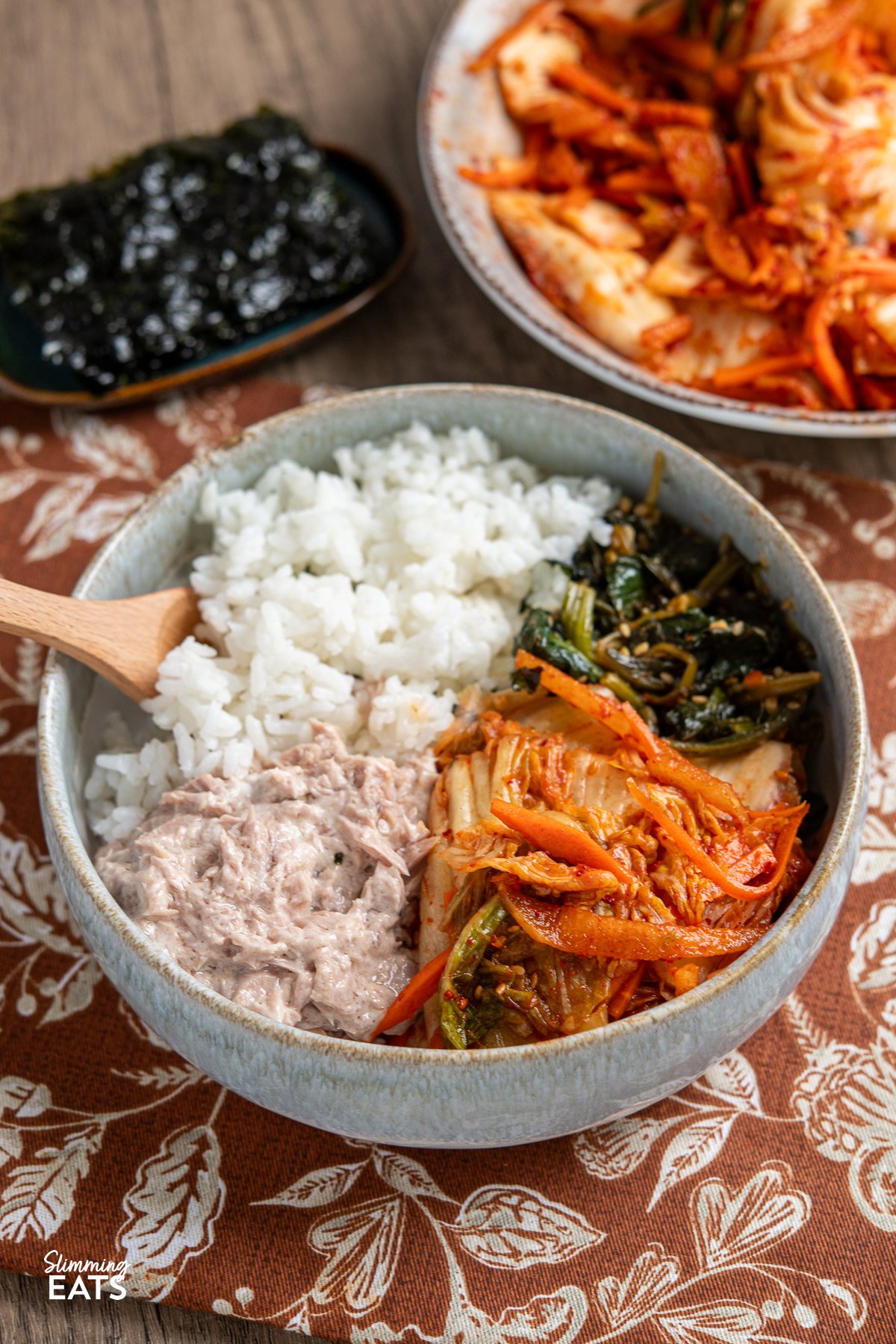
- Rice Bowls: For a quick and satisfying meal, add kimchi to a bowl of rice along with Korean tuna mixed with light mayo, seasoned spinach, and seaweed sheets. It's also fantastic with spicy salmon and rice.
- Noodles: add a small serving to your favourite noodle dish.
Kimchi's bold flavours make it a standout ingredient that enhances both simple and elaborate dishes. Whether you're incorporating it into your breakfast, lunch, or dinner, kimchi brings a deliciously spicy and tangy note to your meals
More Korean Recipes
Love Korean Foods? Check out my growing Korean Inspired Low Calorie recipe section on Slimming Eats
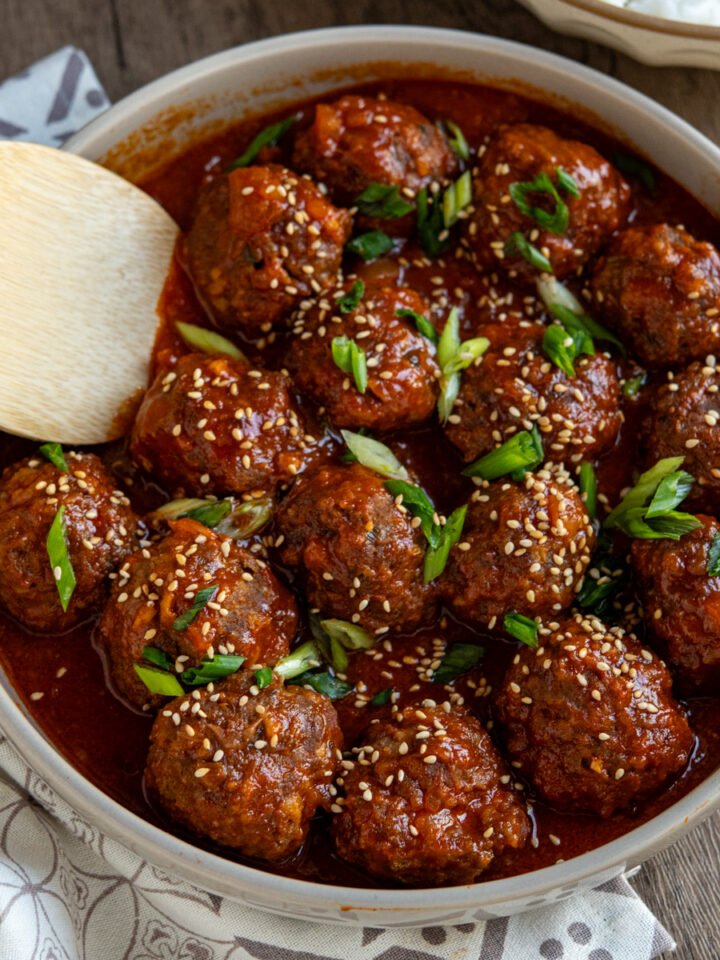


See more Korean Recipes →
or if you would like more recipe ideas - head on over to the FULL RECIPE INDEX where you will find over 900 delicious recipes with calories and you can search by meal type, ingredients, course, diet and more.
All recipes on Slimming Eats have estimated nutritional information for your convenience.
FAQ for Quick Fresh Kimchi
Fresh kimchi skips the fermentation process, resulting in a crunchy texture and milder flavour compared to traditional fermented kimchi, which has a more tangy and sour taste.
No, there isn't a perfect substitute for gochugaru, as it has a unique flavour and texture that is essential for authentic kimchi.
If you can't find gochugaru at your local grocery store, you can easily source it online from specialty retailers or Korean food websites. This ensures you have the authentic ingredient for the best flavour and quality in your fresh kimchi.
Freezing fresh kimchi is not recommended, as it can alter the texture and flavour of the vegetables. It's best to enjoy it fresh or within the recommended storage period in the refrigerator.
Let's Connect!!
Come and follow me on:
You can also Subscribe to Slimming Eats so that you never miss any new updates.
Need some support on your weight loss journey? Maybe you need advice or tips on a recipe, or just general meal ideas.
Come join the friendly and supportive Slimming Eats Community on Facebook.
If you try this recipe, let us know! Leave a comment, Rate It and Tag us in your Photos @SLIMMINGEATS on INSTAGRAM
Recipe Card
Quick Fresh Kimchi
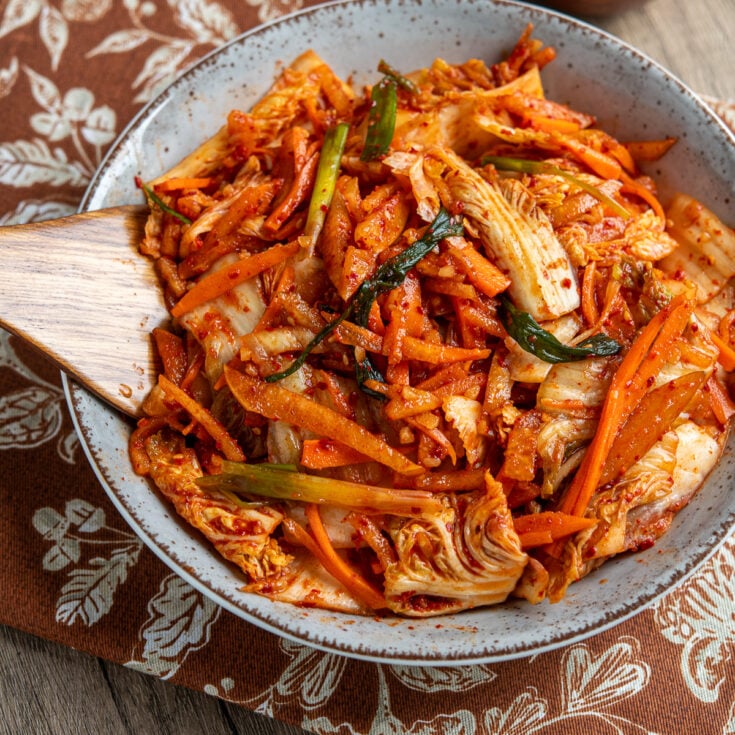
This quick and easy fresh kimchi skips the fermentation process, offering a delightful crunch and a spicy yet lightly sweet taste.
Ingredients
- 700g (24.5oz) of Napa cabbage (half a small Napa)
- 4 tablespoons (¼ cup) of coarse sea salt
- 1 carrot, sliced into thin strips
- 5 spring onions, halved lengthways and chopped into pieces
- ½ large Asian pear, sliced into thin strips
- 2 tablespoons of minced garlic
- 6 tablespoons of fish sauce
- 4 tablespoons (¼ cup) of coarse Gochuharu
- 4 teaspoons of sugar
Instructions
- Prepare the Napa Cabbage: Discard the core from the Napa cabbage and chop it into rough pieces, making sure they're not too small.
- Salt the Cabbage: Place the chopped cabbage in a large bowl and sprinkle it evenly with coarse sea salt. Add enough cold water to cover the cabbage loosely. Let it sit for 30 minutes, giving it a rough mix halfway through.
- Prepare the Paste: In a separate bowl, combine the gochugaru, fish sauce, sugar, and garlic, mixing well until a paste forms.
- Rinse the Cabbage: After the cabbage has soaked for 30 minutes, drain it and rinse it under cold running water to remove excess salt.
- Combine Ingredients: Transfer the rinsed cabbage back to the large bowl. Add the green onion, carrot, and Asian pear. Pour the paste over the vegetables and toss everything together until well coated.
- Store the Kimchi: Transfer the kimchi to an airtight lidded container. Your fresh kimchi is now ready to enjoy!
- Storage: Fresh kimchi will keep for approximately 1 week in the refrigerator. Be sure to store it in the fridge to maintain its freshness and flavour.
Notes
Please see below for full nutritional info and additional details about recipe:
- Calories - scroll down to nutritional info box
- WW Points and other Slimming or Weight Loss programs - due to plans regularly changing and updating, we recommend calculating with the official tools you get as a member to those plans to ensure accuracy of values.
If you wish to share this recipe, then please do so by using the share buttons provided at top of this post.
DO NOT COPY AND/OR PASTE FULL RECIPES OR SCREENSHOTS OF ANY CONTENT FROM SLIMMING EATS TO ANY SOCIAL MEDIA OR WEBSITE, IT IS STRICTLY PROHIBITED.
ALL IMAGES AND CONTENT ON SLIMMING EATS ARE COPYRIGHT PROTECTED
Nutritional information etc are an estimate and are to be used for informational purposes only. Ingredients can vary in values from brand to brand and therefore it would be impossible to give accurate information. It is always advised that you calculate values yourself by the ingredients you use and the tools provided to you as a member of the programme you are following.
It is the responsibility of the Reader to assure the products or ingredients they use in any recipes from Slimming Eats are allergen-free (gluten-free, egg-free, soy-free and/or dairy-free, for example). Slimming Eats assumes no liability for inaccuracies or misstatement about products, opinions or comments on this site.
Check Legal section, for Full Disclaimer, Disclosure and Privacy Policy.
Recommended Products
As an Amazon Associate and member of other affiliate programs, I earn from qualifying purchases.
Nutrition Information
Yield
10Serving Size
1 SERVINGAmount Per Serving Calories 24Total Fat 0gSaturated Fat 0gTrans Fat 0gUnsaturated Fat 0gCholesterol 0mgSodium 1086mgCarbohydrates 7gFiber 2gSugar 4gProtein 2g
Nutritional information and values etc are an estimate and is to be used for informational purposes only. Ingredients can vary greatly from brand to brand and therefore it would be impossible to give accurate information. It is always advised that you calculate by the ingredients you use.
Hayley says
Yeah!! So been waiting for this one, got most of ingredients waiting in cupboard/ fridge
I have the Korean chicken stew in freezer to go with.. Which, by the way was delicious with mash & cabbage
Thank you for your amazing recipes x
Siobhan (Slimming Eats) says
you are welcome - enjoy!!
Milly Bee says
Just made this and man oh man is it delicious! I didn't wanna wait hours to make traditional kimchi so this was a great recipe for me. I couldn't find the Asian course red pepper so I bought Gochujang sauce from Publix and added 2 TBS of that, 1 TBS of spicy chili crisp I had in the fridge to mimick the course needed from the red pepper powder I didn't have, then just added a 1 tbs of smoked paprika, chilli powder, and a shake of cayenne pepper.